
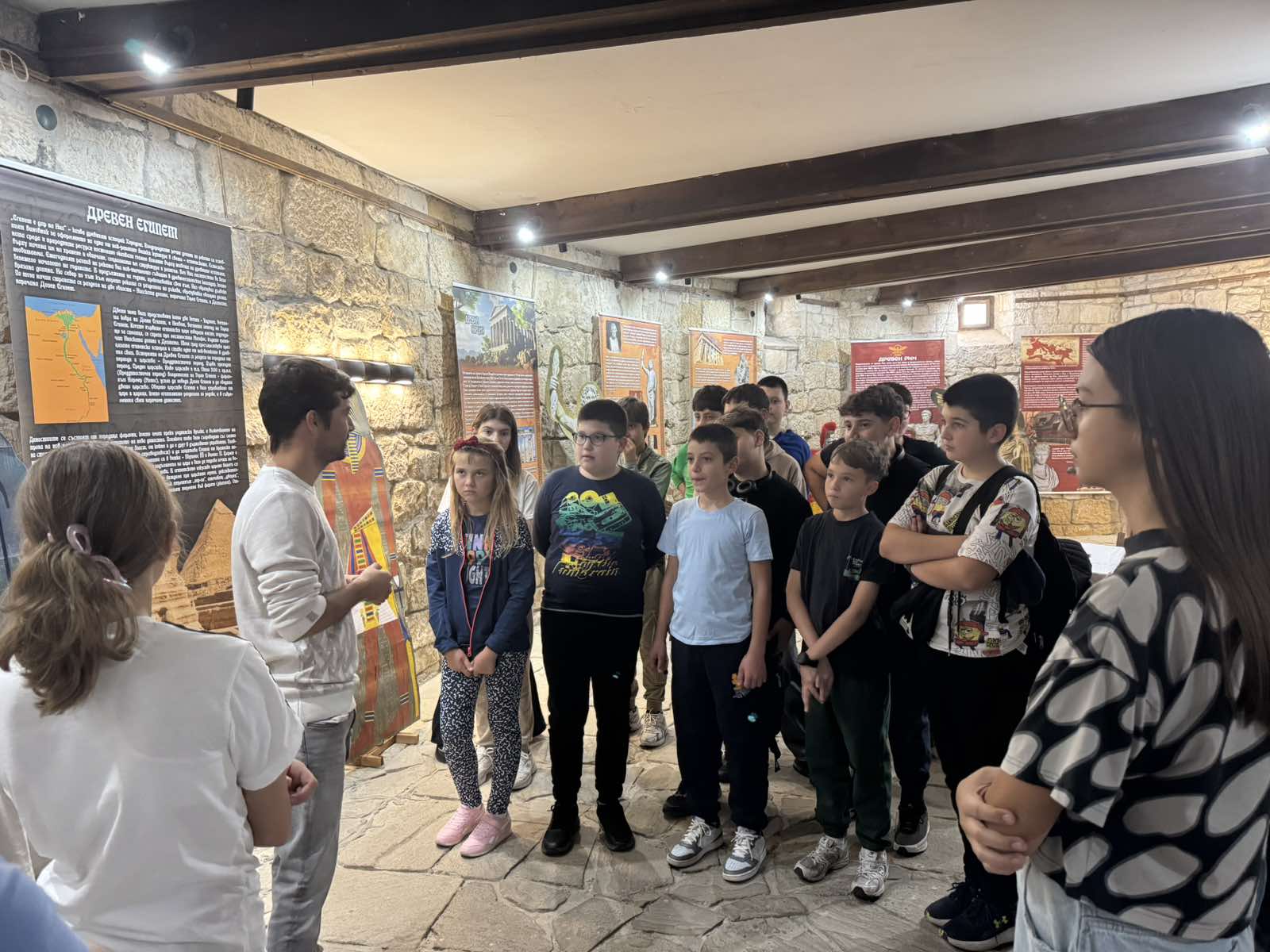
The third edition of the educational program “From Egypt… to Scandinavia” has successfully concluded at the Regional History Museum in Razgrad. Held at the Ethnographic Museum in Razgrad from October 5 to 16, the program featured educational talks covering the history of four civilizations: Egypt, Ancient Greece, the Roman Empire, and Scandinavia.
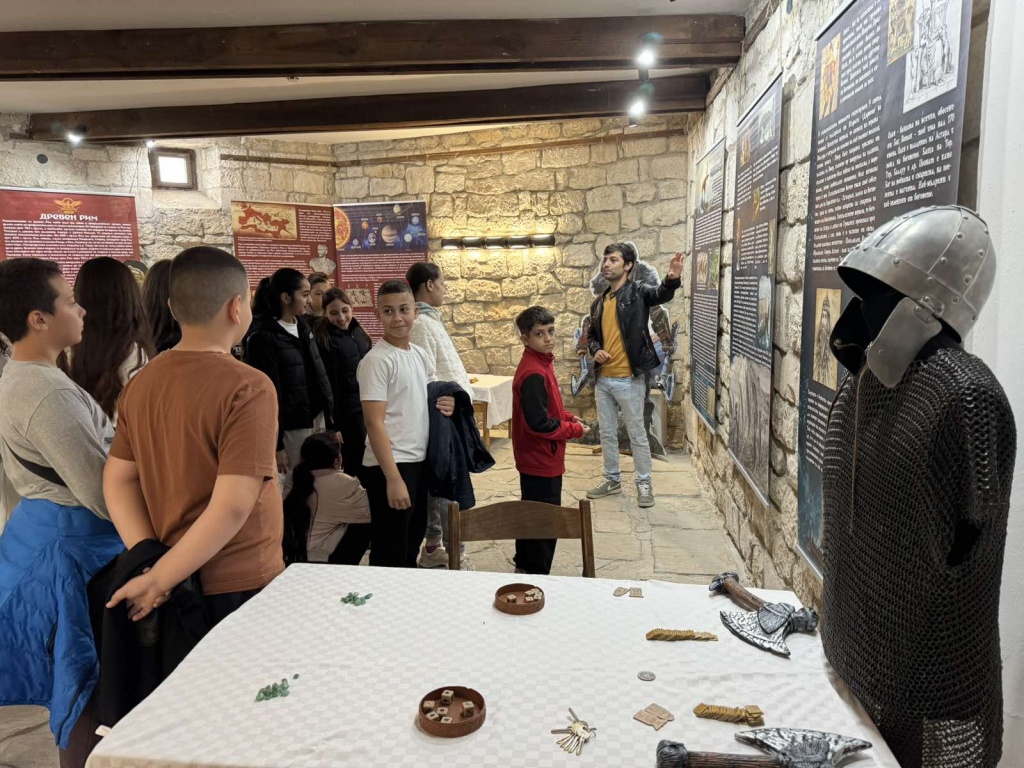
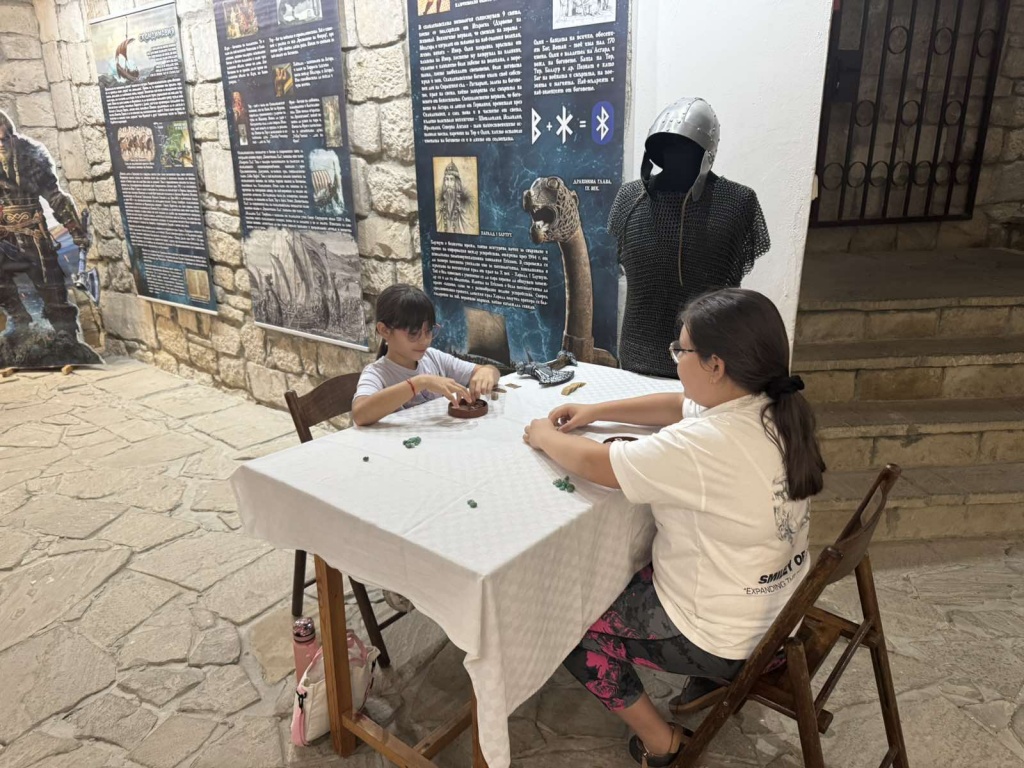
Students from most of the primary schools in Razgrad—Turgenev Primary School, Vasil Levski Primary School, Nikola Ikonomov Primary School, and Paisiy Hilendarski Primary School—took part in the event. In addition to students, the program was attended and joined by representatives from social service institutions, including both adults and children with special educational needs. Through the showcased models of ancient and medieval board games, participants had the opportunity to experience the pastimes of people from various historical eras and discover that play has been a part of human life since the distant past.
“We thank all the participants for their interest in the initiative; for us, encounters with curious children and adults are an important part of the museum’s mission—to preserve and present cultural heritage, thereby creating opportunities for knowledge, interaction, and shared experiences. We look forward to seeing you again at future initiatives!” – this is the message from the organizers at the Regional History Museum.
During the third edition, the presentations on topics related to the development of the four civilizations were delivered by the creator of the educational program, museum educator Hristo Hristov. In addition to a wide range of information, the talks included intriguing facts and details from these historical periods, presented in an engaging manner that helps children remember them easily.
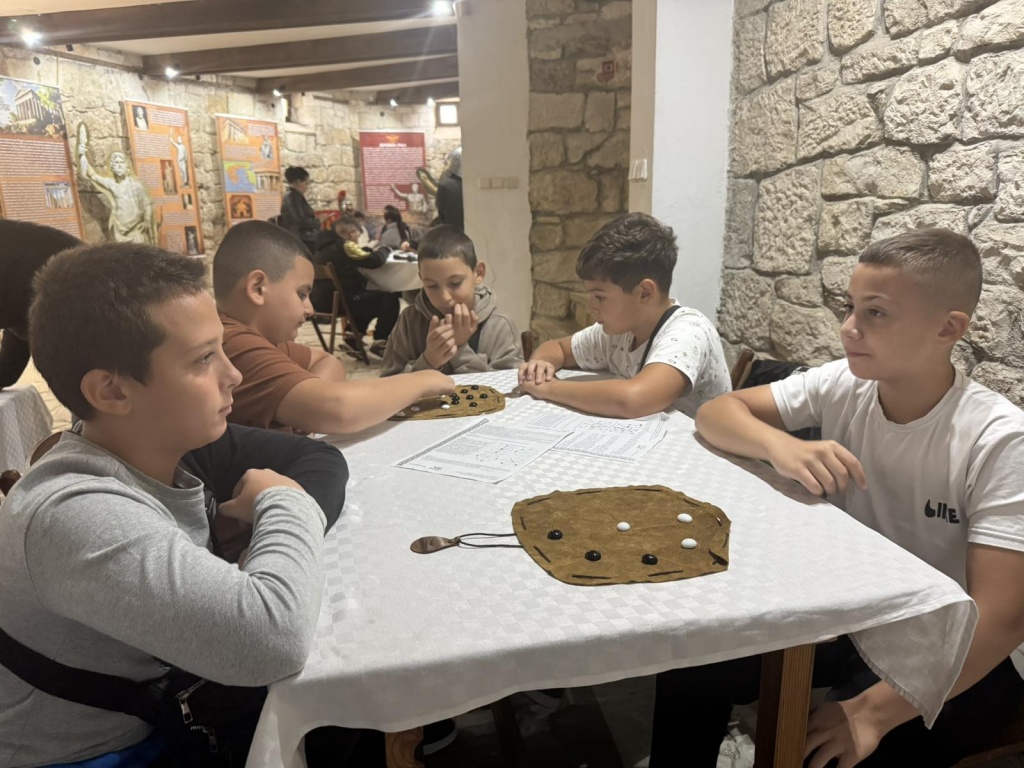
In a dialogue with the children and visitors, the renowned museum educator Hristo Hristov answered a number of questions regarding the daily life, customs, traditions, and attire of four ancient civilizations. Visual aids displayed in the Ethnographic Museum hall—information panels, figures dressed in ancient-style clothing, and photographs of significant ancient structures and prominent historical figures—helped facilitate this discussion. Participants in the educational program showed particular interest in the board games, in which they engaged with great enthusiasm.
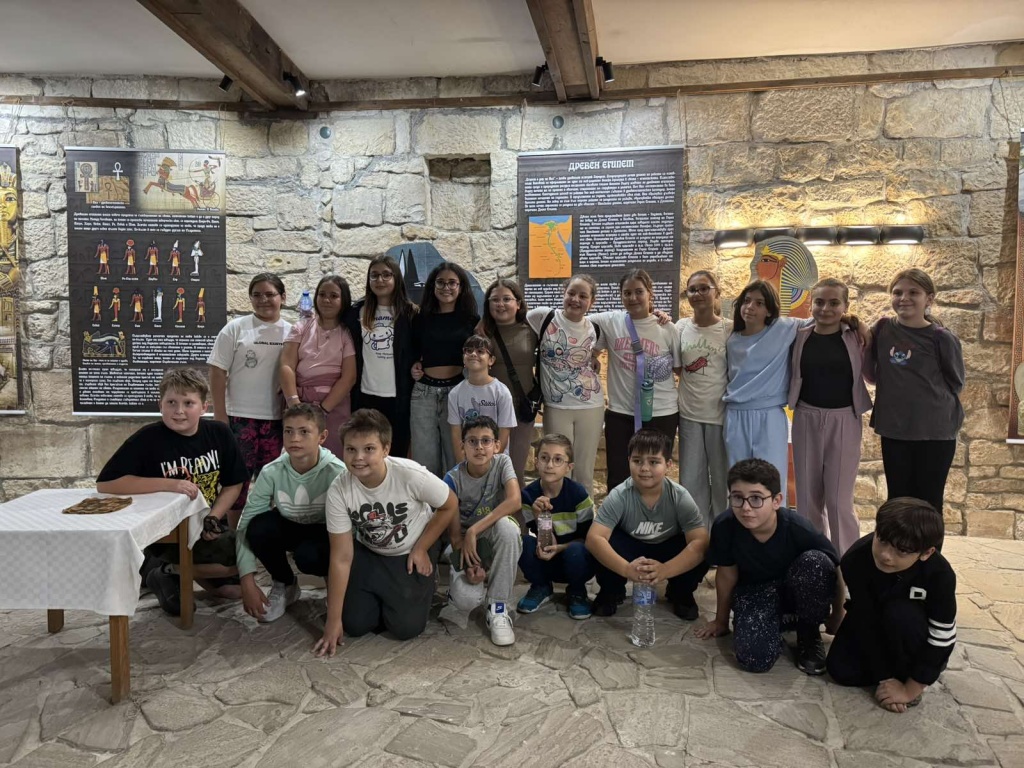
During the educational program, the children enthusiastically expressed their appreciation for the way the museum introduces them to history—in a manner that is accessible, fun, and memorable. Among those who took part in the program shortly before its conclusion was class 5A from the “Otets Paisiy” Primary School in Razgrad, led by Sevda Alieva.
“Learning can be a real adventure” – this is their conclusion following what they saw and learned at the Ethnographic Museum during the third edition of the program.

