
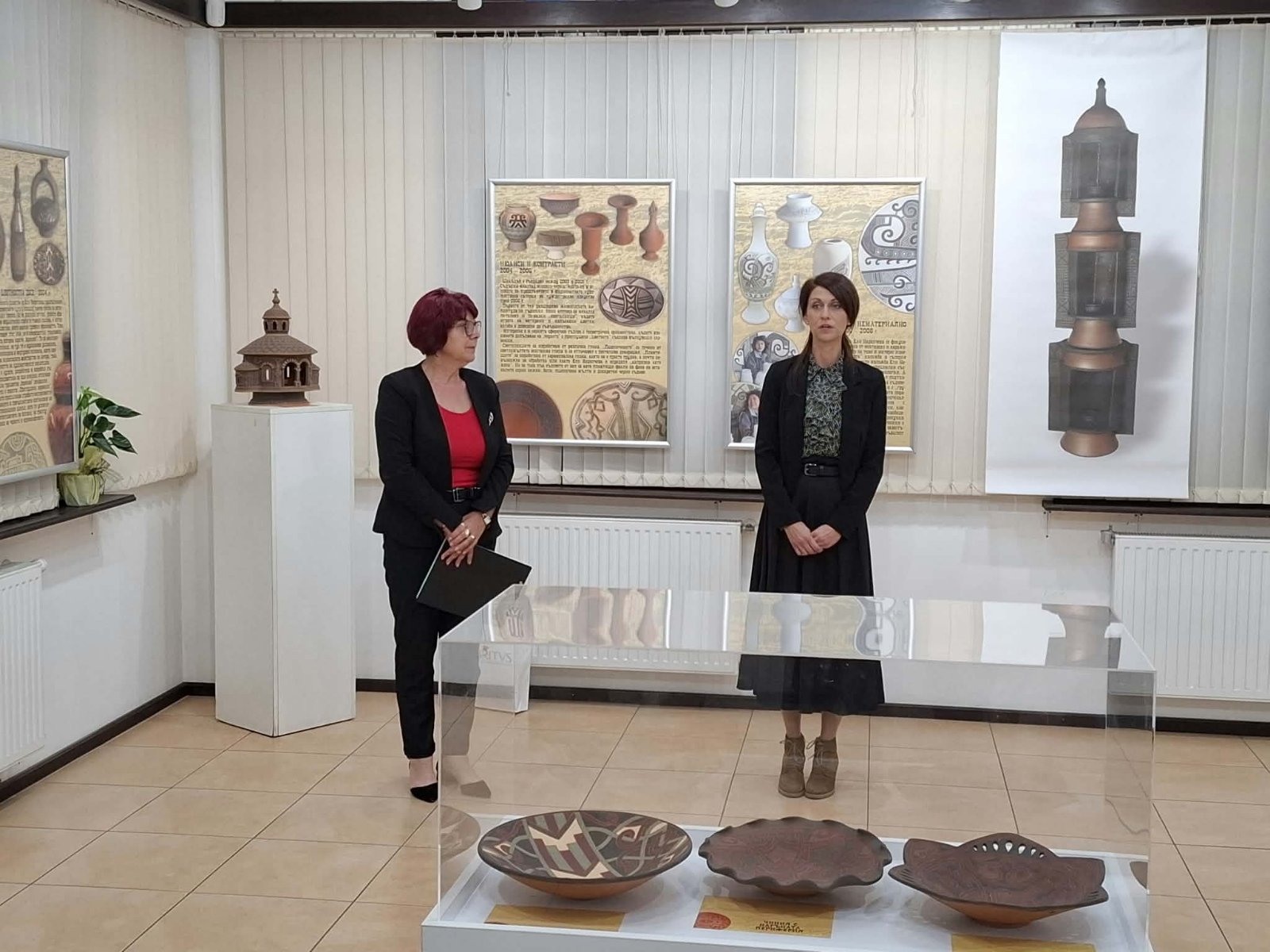
On September 21, the exhibition “Master of Clay”, featuring works by the ceramic artist Eli Nedelcheva from Razgrad, opened at the “Asen and Iliya Peykov” Art Gallery in Sevlievo. The exhibition was organized jointly by the Razgrad Regional History Museum, the Sevlievo History Museum, and the “Asen and Iliya Peykov” Art Gallery.
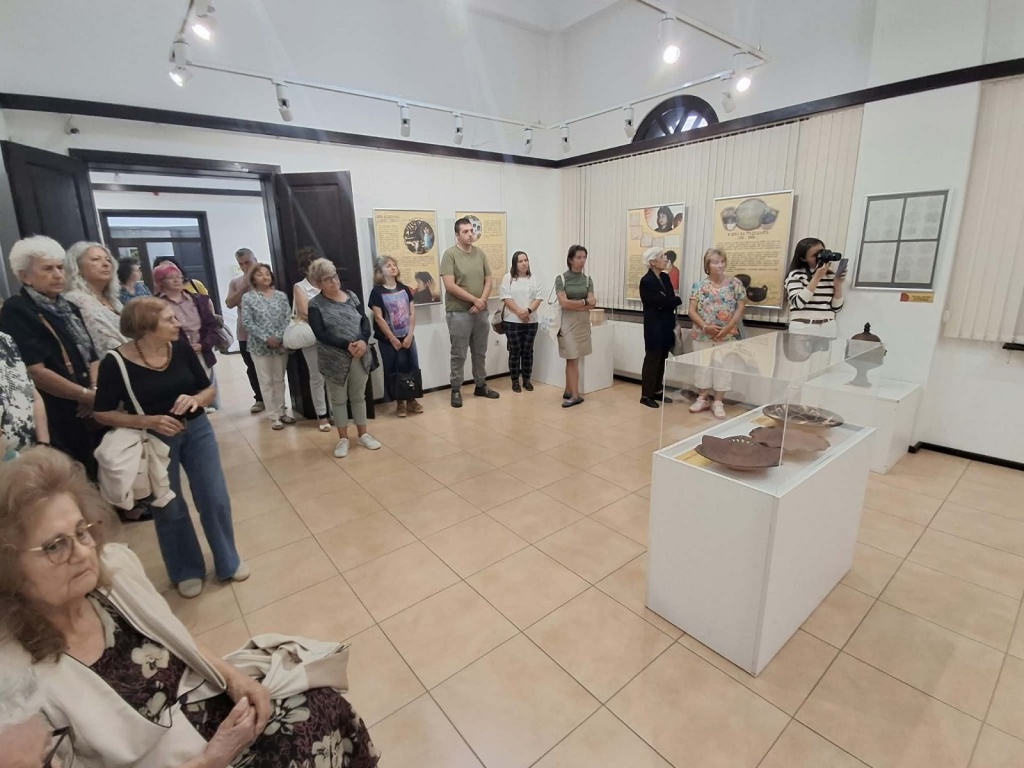
In attendance were the leadership of the Historical Museum and the Sevlievo Art Gallery, artists, ceramicists from the Sevlievo school, ceramic art enthusiasts, and members of the public.
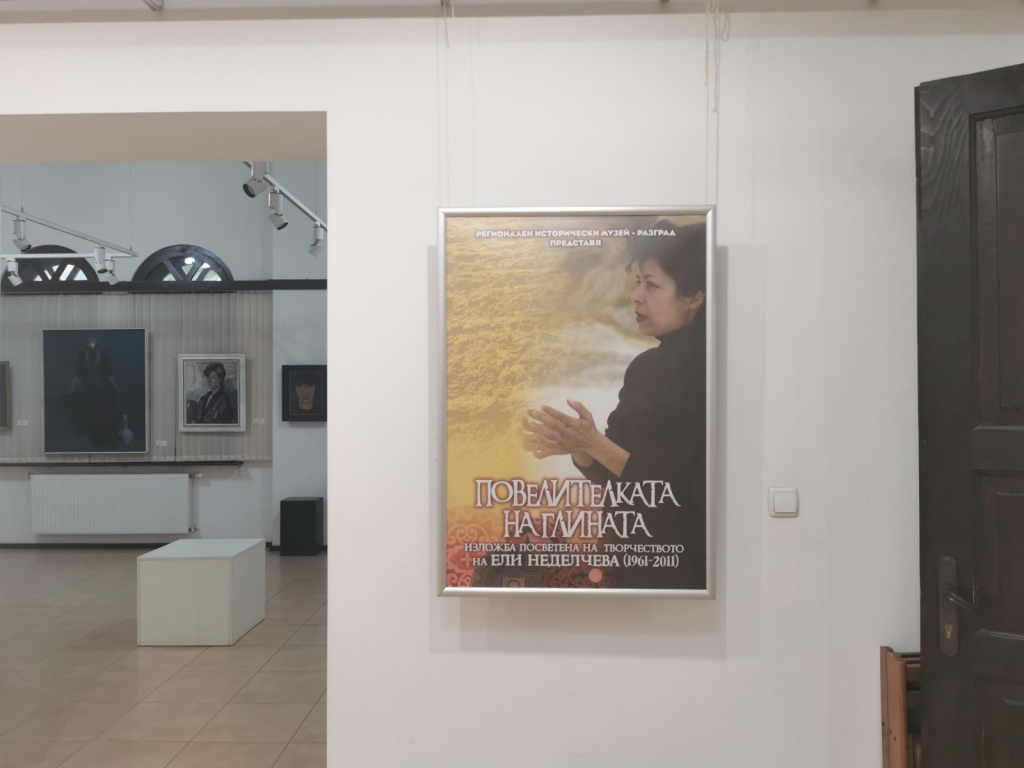
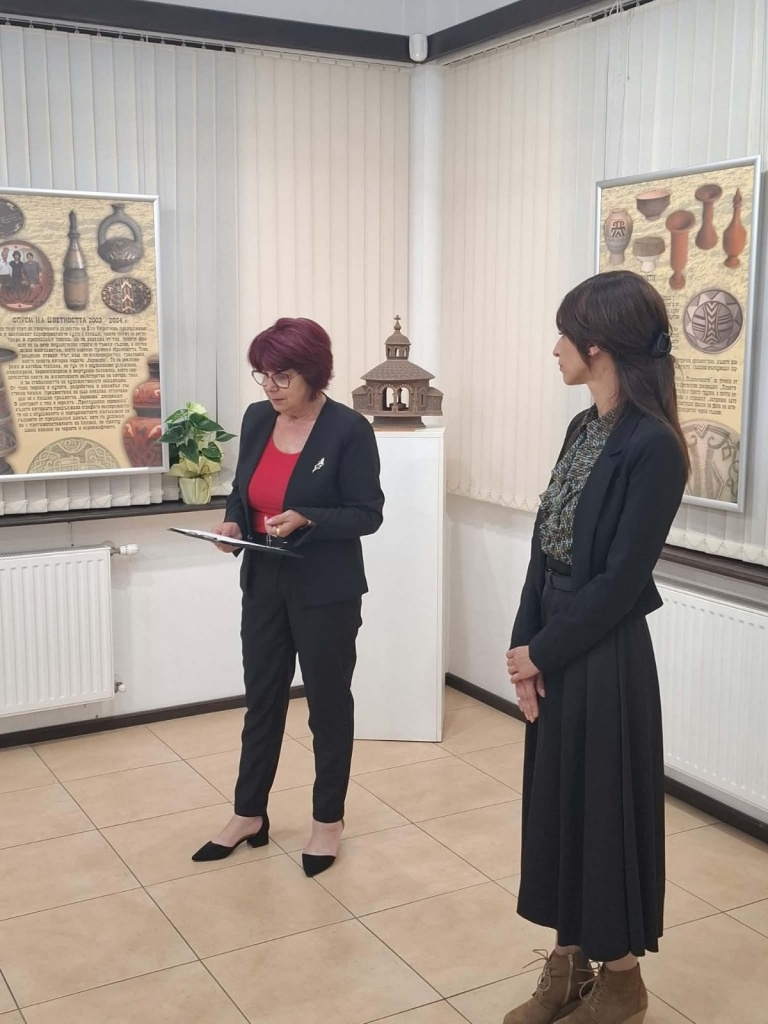
On behalf of the Razgrad Regional History Museum, the exhibition was opened by Prof. Rositsa Angelova PhD, its creator and curator. She noted that Eli Nedelcheva is a ceramicist, a master craftswoman, and an artist who has succeeded in turning clay into a language that speaks of the human spirit. The thirty-year span of Nedelcheva’s creative career has been sufficient for her to establish a recognizable style and artistic signature, Prof. Angelova emphasized. Herein lies the true paradox of clay: it is earth, yet in the hands of a master, it can become a vessel of memory and transform into art, Prof. Angelova highlighted in her presentation. For Eli Nedelcheva, clay possesses color, plasticity, and a language of its own; she searches for the right clays until she finds the material that resonates with her own inner self. Her creative periods vary, and her works are never repetitive; her hand transforms the object into genuine art, and every piece is unique. Her works can be found in collections across Europe and beyond. Eli Nedelcheva is an exceptional virtuoso who interprets tradition in her own unique way; she has stepped out of the shadow of her mentor, Petar Gigov, to forge a style of her own, Prof. Angelova stated. Even today, her works and style remain instantly recognizable. Museums are places where objects bear witness to talent—demonstrating that beauty can be created from humble earth when shaped by the hand of a true artist. Prof. Angelova concluded the presentation with a few lines of poetry dedicated to Eli’s talent: a heart was sculpted into every cup, every pitcher, every gleam of light… the clay remembers the hands that shaped it.
Prof. Angelova expressed her sincere gratitude to the Sevlievo History Museum for the invitation and presented its director, Iveta Milenova, with a gift for the cultural institution—publications from the Razgrad Regional History Museum, on behalf of its director, Tanya Todorova. Prof. Angelova also answered all questions from the ceramic art enthusiasts present.
The open exhibition features ten original works by Eli Nedelcheva—plates, candlesticks, and a pitcher—crafted from red, white, and traditional clay. Display cases also present the artist’s drawings, notebooks, technical drawings, sketches, and project plans, drawn from the collection of the Regional History Museum in Razgrad. Information panels detailing her creative biography highlight key moments in her rise to prominence as a renowned Bulgarian artist. One panel focuses on her work from 1996–2000, a period dominated by a spirit of tradition, while the 2006–2008 period is characterized by the interplay between the material and the immaterial. The panels also explore the nuances of her artistic style, with a dedicated section covering the “Eyes for the East” theme from her later period (2008–2010). The exhibition is remarkable for the sheer volume of what Eli Nedelcheva achieved in the realm of ceramic art during her short life; she passed away before turning fifty.
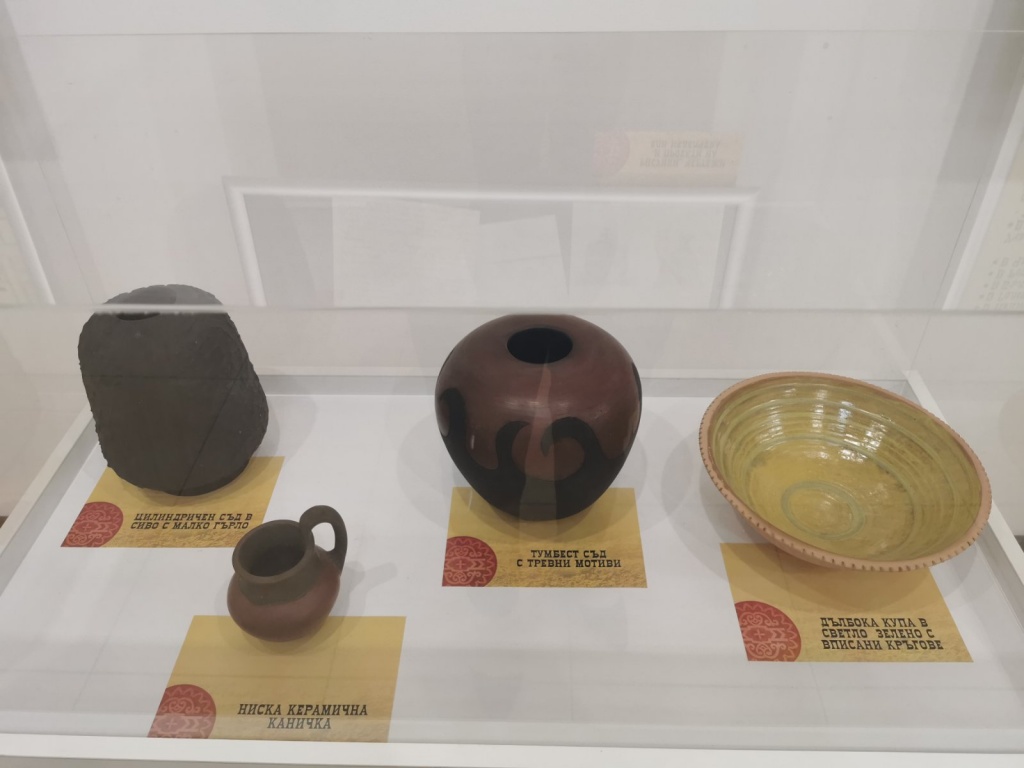
The exhibition can be viewed until October 12.

